
On November 9, 2026, NASA reported that the Antarctic ozone hole reached its annual maximum extent on September 18, ranking as the seventh largest in 48 years of monitoring.
Satellite Observations and Extent
Instruments including the Ozone Mapping and Profiler Suite on the NOAA-20 satellite tracked the ozone hole's extent in 2026. Scientists define the ozone hole as the area where ozone concentrations drop below the historical threshold of 220 Dobson units.
NASA stated that an unusually strong Antarctic polar vortex created ideal conditions for ozone depletion over a large area. Measured from September 7 to October 13, the 2026 hole was the seventh largest in 48 years of monitoring, though it was not as deep as other large holes on record.
Long-Term Recovery and Regulations
NASA noted that year-to-year fluctuations in area and depth are driven by variations in stratospheric temperature and circulation. Colder conditions result in larger areas and lower ozone values in the core of the hole.
The global recognition of the destructive potential of chlorofluorocarbons led to the 1987 Montreal Protocol, which phased out ozone-depleting chemicals. Scientists estimate that the Antarctic ozone layer will return to 1980 levels in the 2070s.
Key facts and where they come from
- The 2026 ozone hole ranked as the seventh largest in 48 years of monitoring.
the 2026 hole was the seventh largest in 48 years of monitoring.
- The maximum area for the ozone hole in 2026 occurred on September 18.
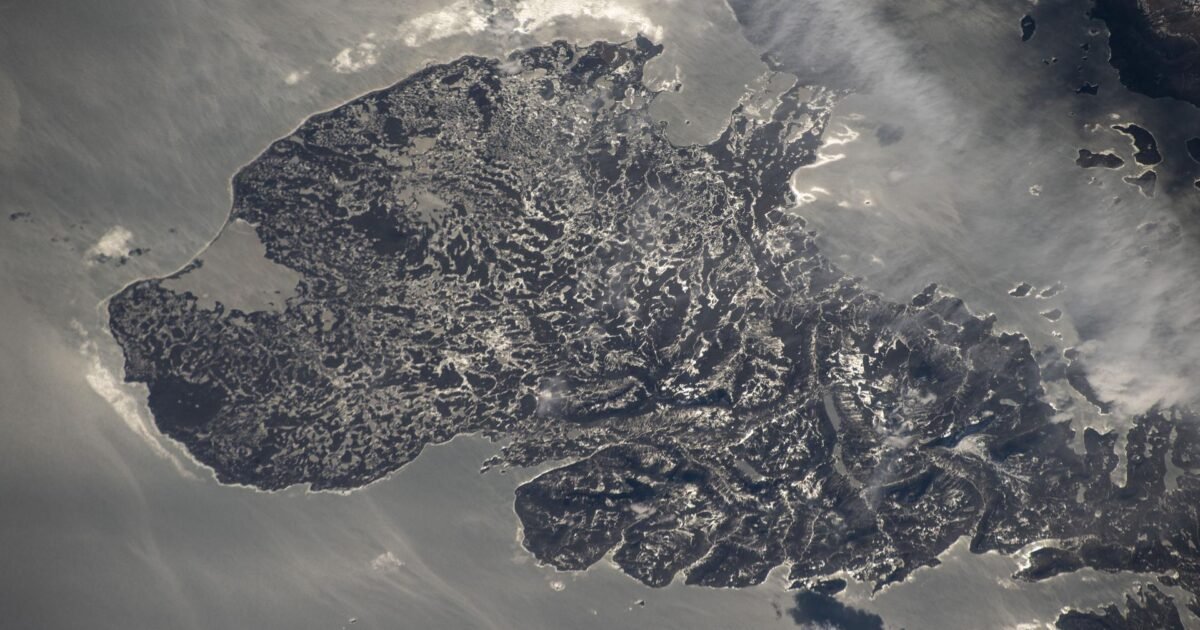
This data visualization shows the area and shape of the ozone hole on September 18, 2026, the day of its annual maximum extent.