NASA announced that experiments including a new space crop production system and a precision health investigation will launch to the International Space Station aboard Northrop Grumman’s 25th Commercial Resupply Services mission.
Why it matters
Astronauts will need sustainable sources of food to travel farther and stay longer in space. To help understand how crop production works in microgravity, NASA is launching a novel space crops experiment.
The new prototype growth chamber will provide critical insights for developing safe, nutritious, and reliable crop production systems for future Moon Base habitats and Mars missions.
Space Crops and Fluid Handling
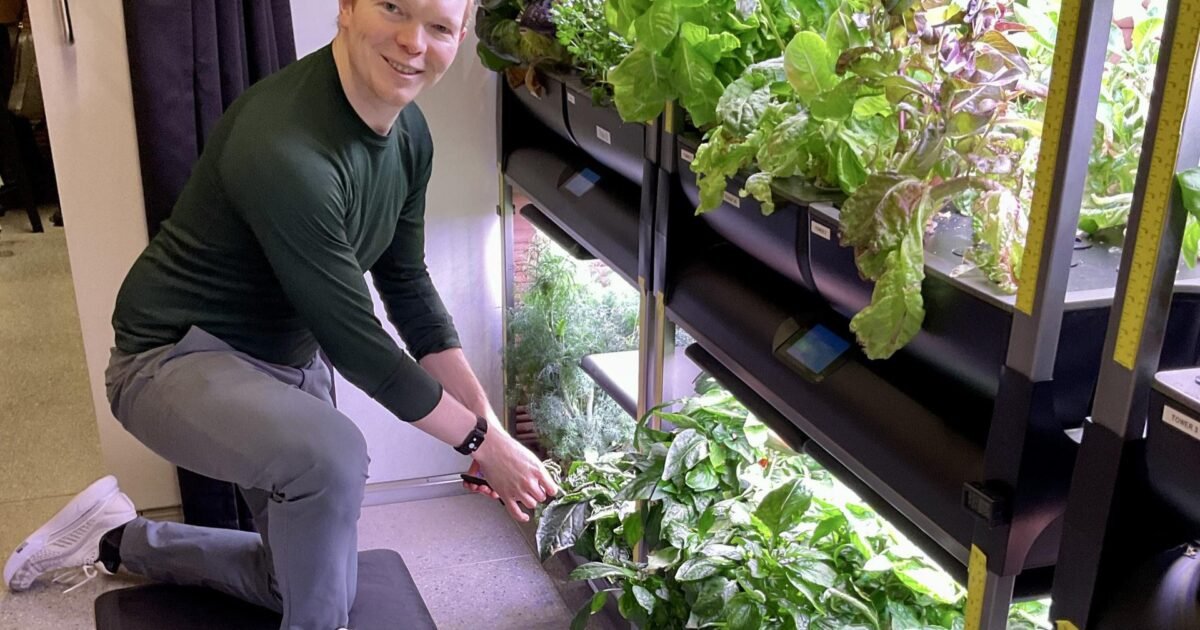
Knowledge gained from the space crop production system also could help inform agricultural practices such as vertical farming and indoor growing systems. Researchers will use this investigation to validate the system's water delivery and volume optimization technology aboard the space station.
A precision health investigation builds on a previous investigation that sent small, lab-grown models of the human brain, called miBrains, to the space station. This experiment will validate a miniature fluid-handling system designed to mix, deliver, and maintain the nutrient-rich liquid needed to keep the tissues alive.
Key facts and where they come from
- NASA's NG-25 mission will transport space crop and precision health experiments to the space station.
NASA experiments, including a first-of-its-kind space crop production system, will travel to the International Space Station aboard Northrop Grumman’s 25th Commercial Resupply Services mission
- The new precision health research builds on a previous investigation involving miBrains sent to the station.
The research builds on a previous investigation that sent small, lab-grown models of the human brain, called miBrains, to the space station.